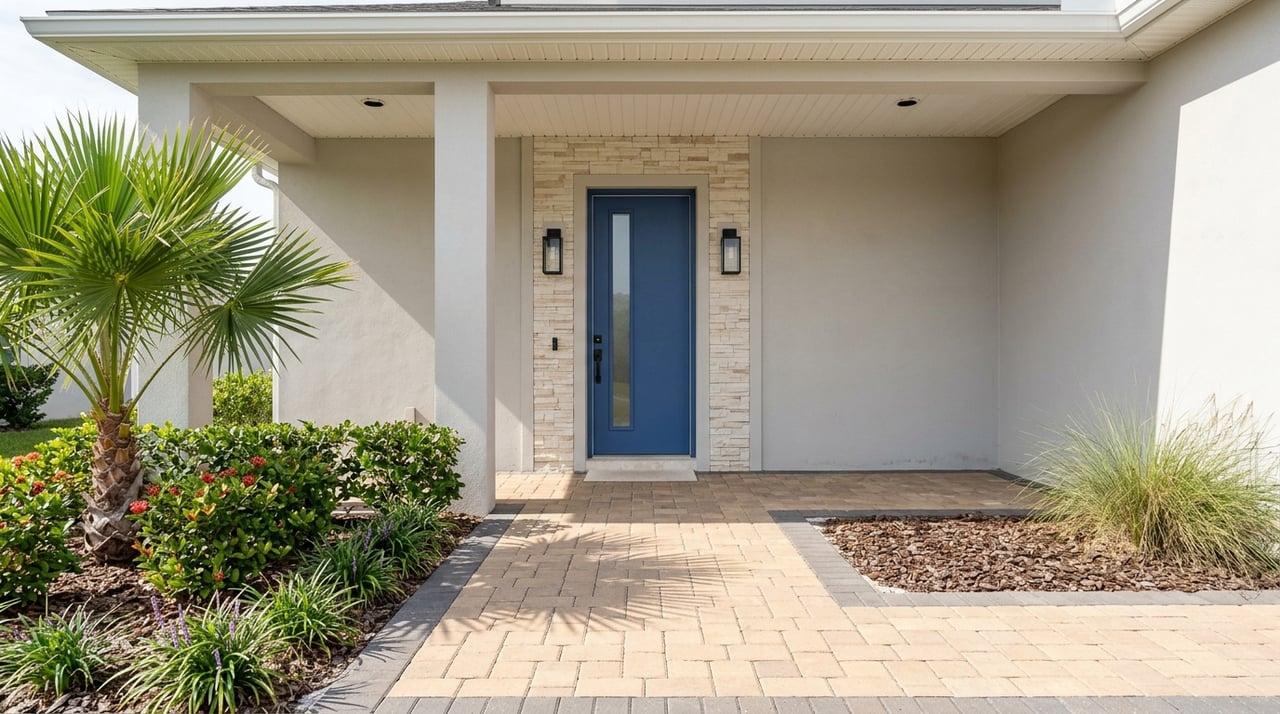
Timing Your Move In The San Antonio Housing Market
June 18, 2026
June 18, 2026
Wondering if you should move now or wait for a “better” time in San Antonio, Florida? That question is common, especially when market headlines seem to point in different directions. The good news is that timing your move does not have to be a guessing game. When you understand how San Antonio’s small market behaves, you can make a decision based on your goals, your timeline, and the kind of home you want. Let’s dive in.
San Antonio is a small housing market, which means public numbers can shift quickly from one report to the next. In April 2026, Realtor.com showed 327 homes for sale, a median listing price of $348,000, 57 median days on market, and a 99% sale-to-list ratio, while labeling the market balanced. Zillow’s April 30, 2026 snapshot showed a typical home value of $350,069 and 57 days to pending.
At the same time, Redfin’s rolling three-month city data ending May 2026 showed a much higher median sale price of $649,611, but only one home sold in that sample. That is a good reminder that citywide stats in a small place like San Antonio can look dramatic when only a few homes close. Instead of treating every headline as a trend, it helps to focus on neighborhood-level inventory, pricing, and demand.
That matters even more because price points vary widely within the city. Realtor.com shows a median listing price of $322,450 in Tampa Bay Golf and Tennis Club compared with $699,900 in Lake Jovita Golf and Country Club. In other words, the best time to move may depend less on the citywide average and more on where you want to buy or sell.
The clearest takeaway is that San Antonio is not acting like an overheated market or a weak one. Homes are selling close to asking price on average, but they are also taking long enough that preparation and negotiation still matter. That creates a market where strategy matters more than speed alone.
For sellers, that means you should not assume buyers will overlook pricing or condition. Realtor.com’s data also notes that citywide active listings are up 16.46% year over year. More competition means your home needs to stand out.
For buyers, this type of market can create opportunity. You may not be fighting the kind of frenzied bidding seen in tighter markets, but you still need to act when the right property appears because inventory in a specific neighborhood can be limited. A balanced market often rewards buyers who stay prepared and sellers who stay realistic.
If you want the widest selection, earlier in the year often gives you more new listings to consider. Redfin’s seasonality research shows that new listings usually peak in late spring and early summer. For buyers, that can be helpful if your priority is finding the right floor plan, lot, or neighborhood fit.
The tradeoff is that more fresh listings can also mean more competition from other buyers watching the market closely. If a home checks your boxes in a thin-inventory area, waiting for a slightly better seasonal deal may not pay off. In a small market, the right home is not always easy to replace.
Mid-summer often brings the highest level of fresh inventory. If you are moving within Pasco County or relocating from out of the area, this can be a practical time to compare more options at once. You may have a better chance to weigh tradeoffs between price, layout, and location.
That said, summer in Florida also comes with real-world planning issues. NOAA says Atlantic hurricane season runs from June 1 through November 30. Even when the market itself is steady, that season can affect inspections, insurance timelines, moving schedules, and overall comfort with closing dates.
If your main goal is negotiating room, late summer and early fall may work in your favor. Redfin notes that buyers often find the best discount window in late summer and early fall. By then, some listings may have lingered long enough for sellers to become more flexible.
Still, there is a catch. In a place like San Antonio, the local pool of available homes can get thinner or more picked over by that point. If you are very flexible, waiting could help you negotiate. If you need a specific neighborhood or home style, waiting may limit your choices.
Spring is often seen as the best time to sell, and there is a reason for that. Realtor.com’s 2026 seller-timing forecast says the best national week to sell is April 12 through 18. Buyers are active, and many are trying to settle into a home before the next school year or summer plans.
But spring is not a magic window. It also brings more competition from other sellers. In San Antonio, where homes are not flying off the shelf overnight, presentation, pricing, and timing still matter.
Summer can still be a solid selling season, especially if your home is well-prepared and priced in line with current competition. More buyers may still be shopping, and active inventory gives them more homes to compare. That means your listing needs to be sharp from day one.
This is especially true in neighborhoods with a broad price range. If buyers can compare several homes in your segment, small differences in updates, condition, and pricing become more important. In a balanced market, standing out is often more important than simply listing at the “right” time.
If you missed spring or summer, that does not mean you should automatically wait until next year. Fall can still bring serious buyers, especially those who need to move for life changes, work, or household needs. A well-priced home can still perform well.
The key is realism. In a market where homes are selling around list price on average but taking time, you want to avoid chasing the market with repeated price drops. A strong launch, thoughtful prep, and clear pricing can make a big difference.
Looking only at San Antonio can be misleading because the city is so small. County-level numbers often give a steadier picture of the market around it. Realtor.com’s April 2026 data for Pasco County showed 8,834 homes for sale, a median listing price of $345,500, 64 median days on market, a 98% sale-to-list ratio, and a balanced market label.
Redfin’s county page showed a median sale price of $362,027 and 42 days on market over the three months ending May 2026, with 1,119 homes sold in May. That larger sample can help you understand the bigger trend, even though your actual move will still depend on your neighborhood and price range. It is useful context, not a substitute for local strategy.
Pasco County is also growing. Florida’s Office of Economic and Demographic Research estimates the county grew from 561,891 residents in the 2020 Census to 648,369 in 2025. The same profile shows 7,878 housing units permitted in 2025, up from 6,765 in 2024, which points to continued development and future supply coming online.
The answer depends on what matters most to you.
If you are buying and the right home appears in the right part of San Antonio, waiting for a better season may not help much. Inventory can be thin at the neighborhood level, and a good match may be worth acting on. If you are flexible on timing and features, late summer or early fall may offer more negotiating room.
If you are selling, spring may bring more buyer activity, but it also brings more competing listings. If your home is ready now, you may not need to hold out for a perfect calendar window. In a balanced market, good pricing and strong presentation usually matter more than chasing a specific month.
A practical way to decide is to weigh these three questions:
When you answer those questions honestly, the right move often becomes clearer.
In San Antonio, public data can tell part of the story, but not the whole story. One portal may show a balanced market, another may show a softer value trend, and another may look unusually hot because the sold sample is tiny. That is exactly why broad averages should not make the decision for you.
What usually matters most is the local picture: your subdivision, your price band, your home’s condition, and your personal timeline. In a small market, those details often carry more weight than the month on the calendar. The best timing is the one that fits your real goals and the actual options in front of you.
If you want help reading the market in San Antonio and across Pasco County, Russell Adams Realty Inc brings long local experience and practical guidance to every step of the move.
Stay up to date on the latest real estate trends.


Choosing the right real estate partner can make all the difference. We provide a modern approach to real estate by combining local expertise, powerful marketing strategies, and personalized client service.