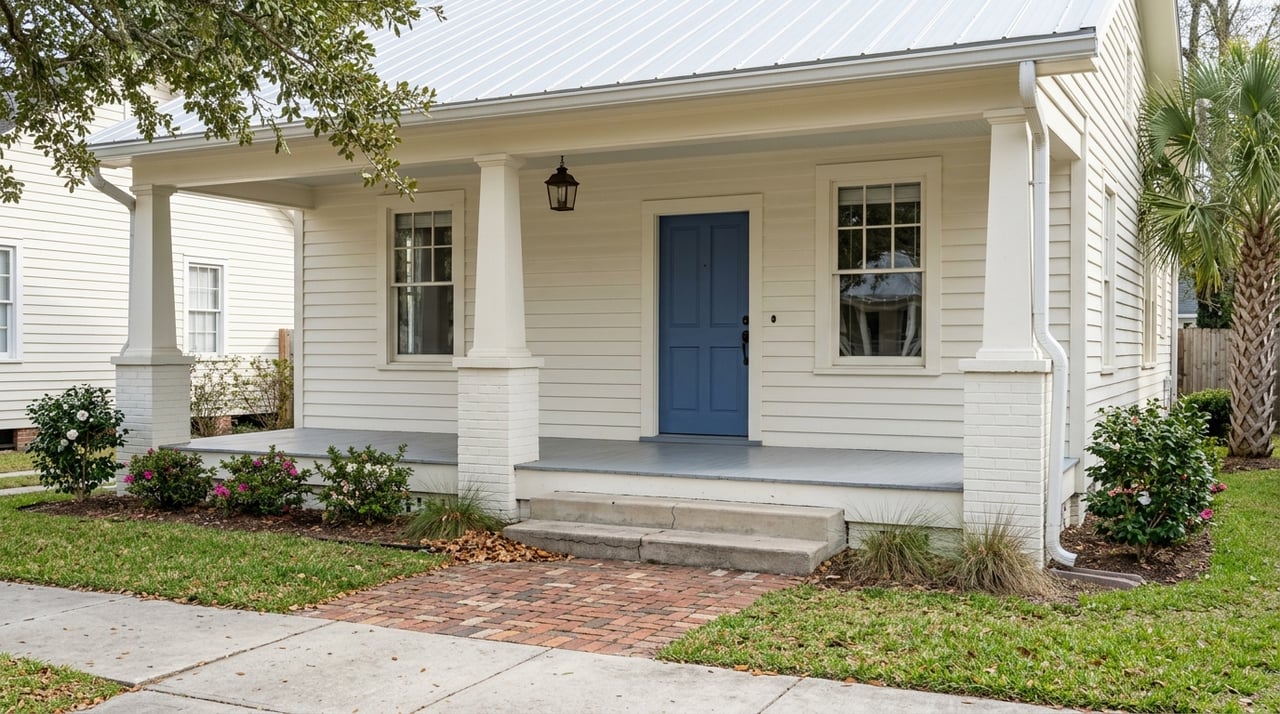
What to Know About Historic Homes in Dade City
June 11, 2026
June 11, 2026
Are you drawn to the charm of an older home but unsure what comes with buying one in Dade City? That feeling is common, especially when a property has original details, a long history, and a few unknowns behind the walls. If you are considering a historic home in Dade City, it helps to know what gives these properties their appeal, where extra due diligence matters, and how to make a confident decision. Let’s dive in.
Dade City has one of the more recognizable historic settings in Pasco County, especially around the Church Street Historic District. The National Park Service identifies this district as a significant historic residential area, with periods of significance from 1875 to 1949. That long timeline helps explain why homes here do not all look the same.
Instead of one uniform style, you will often see a mix of Colonial Revival, Queen Anne, and Bungalow or Craftsman influences. City historic records also describe the area as a residential corridor that developed in the 1880s as Dade City grew into a railroad town and county seat. In practical terms, that means you may be shopping in an area shaped more by history and gradual growth than by a single subdivision plan.
One of the biggest draws of a historic home is character you can see right away. In Dade City, historic-register examples include late-Victorian wood homes, a circa-1912 English Country Tudor kit home, a 1924 Mediterranean Revival building, and homes with Dutch-style gambrel roofs, wraparound porches, stained glass, and farmhouse forms.
That variety matters when you tour homes. You are not just comparing square footage and finishes. You are also looking at architectural details that may be original, altered, or restored over time.
If a home reflects Queen Anne style, you may notice:
These homes often feel visually detailed and one of a kind.
Colonial Revival homes tend to look more formal and balanced. Common details include:
These homes often appeal to buyers who want historic character with a more orderly exterior look.
Craftsman and bungalow homes usually emphasize comfort and porch-centered living. Look for:
These homes can feel especially inviting and practical, which is part of their lasting appeal.
This is one of the most important questions to ask early. A home can be historically significant without being subject to the same local review requirements as a designated historic property.
Dade City’s preservation code gives the Historic Preservation Advisory Board authority to review plans for construction, renovation, alteration, moving, and demolition involving designated historic sites, landmarks, and districts. The city’s review process includes a certificate of suggestions, and the code says the board is to issue that within 45 calendar days after a permit application.
That does not mean you cannot improve the property. It means some changes, especially exterior ones, may require added review. The city also makes clear that ordinary maintenance or repair is still allowed, which is an important distinction for everyday ownership.
If you are thinking about replacing windows, changing porch details, adding onto the home, or making major exterior updates, do not assume the process will be the same as with a newer house. Dade City’s board-review materials ask for details such as the description of work, materials, paint colors, and historical relevance.
For National Register properties, repairs or restorations are expected to be historically accurate. For other district buildings, work should be appropriate to the building and the district. So before you make an offer, it is smart to verify whether the property is only historically notable or also locally designated.
A historic home can be rewarding, but it usually needs a more detailed inspection strategy than a typical resale property. A general home inspection is still essential, but older homes often call for added attention to issues that are common in Florida and more likely in aging structures.
In Dade City, this includes lead paint risk, moisture management, drainage, and pests. Those are not small details. They can affect both your budget and your renovation plans.
Lead-based paint is a major due-diligence issue in older housing. According to the EPA, homes built before 1940 are especially likely to contain lead-based paint, and Florida health guidance notes that renovation and repair in pre-1978 housing can create hazardous dust.
If you are buying a historic home, there is a strong chance the house predates 1978, and many Dade City properties of interest will be much older than that. If you plan to sand, scrape, open walls, or replace trim, this should be part of your planning from the start.
Older homes in Florida already need careful moisture management, and Dade City adds a local wrinkle. The city’s stormwater master plan says downtown experiences frequent street flooding from routine summer rainfall because runoff moves across a mostly impermeable area and the drainage system is undersized.
For buyers, that means you should look beyond the house itself. Pay attention to lot grading, gutters, downspouts, drainage patterns, and signs of past water intrusion. A charming front porch does not tell you how the property handles a heavy summer rain.
Wood-frame historic homes can be especially vulnerable to pest issues if moisture is not well controlled. UF/IFAS recommends reducing moisture, avoiding wood-to-ground contact, maintaining an inspection space, directing water away from the structure, fixing leaks, and using gutters.
Florida also has drywood termites, according to FDACS. That makes a pest inspection an important part of the process, especially in homes with older wood elements, porches, detached structures, or long-term deferred maintenance.
Buying a historic home is not only about the purchase price. It is also about the long-term cost of caring for a property with age, craftsmanship, and sometimes preservation expectations.
That does not always mean higher costs in every category, but it often means a different kind of budgeting. You may need to plan for specialized repairs, historically appropriate materials, or a slower approach to exterior changes if review is required.
A good rule of thumb is to think of ownership as stewardship. If you love the home’s original details, your budget should leave room to protect them.
Historic homes can offer walkability, distinctive architecture, and a setting that feels hard to replicate in newer construction. Dade City’s older residential areas often appeal to buyers who want something with personality rather than a standard floor plan.
At the same time, charm should not crowd out the practical questions. Think about your comfort with maintenance, your renovation goals, and whether you want a property that may involve more review and planning. The right home is not just the one that looks beautiful on showing day. It is the one that fits how you want to live.
Before you move forward on a historic home in Dade City, ask questions that help you understand both the property and the process.
Consider asking:
These questions can help you avoid surprises and better compare one property to another.
Historic homes are rarely one-size-fits-all transactions. In a market like Dade City, the value is not just in finding a home with character. It is in understanding the practical details that come with age, location, and possible preservation review.
That is where local experience matters. When you work with a brokerage that understands Pasco County and the differences between standard resale homes and more distinctive properties, you can move forward with a clearer picture of what you are buying.
If you are weighing the pros and cons of an older property in Dade City, Russell Adams Realty Inc can help you navigate the search with practical local insight and a steady approach from contract to closing.
Stay up to date on the latest real estate trends.
Choosing the right real estate partner can make all the difference. We provide a modern approach to real estate by combining local expertise, powerful marketing strategies, and personalized client service.